Yala: From Ancient Kings to Modern Conservation
Nestled in the southeastern corner of Sri Lanka lies Yala National Park, a land where history, culture, and wilderness blend seamlessly. Known today as one of Asia’s most celebrated wildlife sanctuaries, Yala’s story stretches far beyond the modern era of conservation — it reaches back to the time of ancient kings and forgotten civilizations.
A Land of Kings and Temples
Long before it became a wildlife reserve, Yala was part of the ancient Ruhuna Kingdom, a thriving civilization that flourished over two thousand years ago. The region was home to monasteries, temples, and irrigation systems, reflecting a deep connection between humans and nature.
Ruins scattered throughout Yala — such as Sithulpawwa, Magul Maha Viharaya, and Kataragama — reveal how monks once meditated amidst the forest, finding peace among elephants and leopards. These sites remind us that Yala’s wilderness has always been sacred ground, respected and revered by those who lived closest to it.
The Birth of Conservation
Yala’s transformation into a protected reserve began during the British colonial period, when the importance of preserving Sri Lanka’s wildlife became recognized. In 1938, Yala was officially declared a national park, marking a new era where protection replaced exploitation.
Since then, Yala has become a symbol of Sri Lanka’s commitment to conservation, providing sanctuary to more than 44 species of mammals, 200+ species of birds, and countless reptiles and amphibians.
A Haven for Wildlife
Yala’s landscapes — from dry monsoon forests to grasslands and lagoons — create a haven for an astonishing diversity of life.
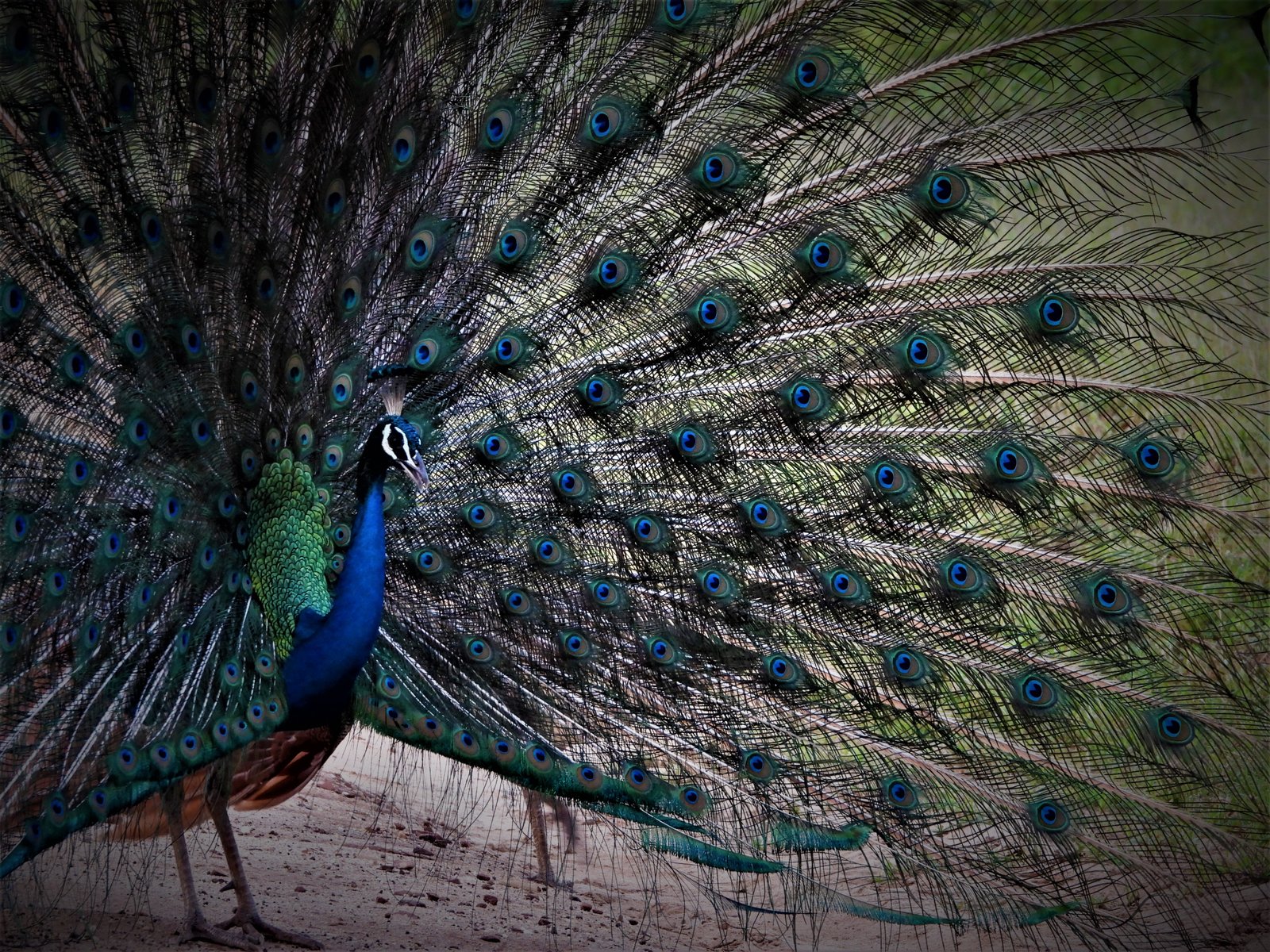
The park is world-famous for its high density of leopards, often referred to as the “leopard capital of the world.” Visitors can also encounter majestic elephants, sloth bears, crocodiles, and colorful flocks of peacocks.
Each safari through Yala offers a glimpse into a world that feels timeless, where nature still reigns supreme.
Balancing Tourism and Preservation
As Yala gained international fame, tourism flourished. While this brought economic benefits to surrounding communities, it also introduced challenges — from overcrowding to habitat disruption.
Modern conservation efforts focus on sustainable tourism, scientific research, and community engagement to ensure Yala remains a thriving ecosystem for generations to come. Projects led by the Department of Wildlife Conservation and local NGOs aim to protect endangered species and educate visitors about responsible wildlife viewing.
A Legacy That Lives On
Yala’s story — from the era of ancient kings to today’s conservationists — is a powerful reminder that our relationship with nature is both historical and sacred. It teaches us that true progress lies not in conquering the wild but in coexisting with it.
As the sun sets over Yala’s golden plains, and a leopard’s silhouette fades into the dusk, one can’t help but feel a deep reverence for this land — a place where the past whispers through the trees, and the future depends on our care.
Keywords: Yala National Park, Sri Lanka wildlife, ancient Ruhuna kingdom, leopard capital, conservation in Sri Lanka, Yala safari, sustainable tourism